
I still remember standing in the middle of my living room, arms crossed, staring at a space that should have felt like home but didn’t. The couch was comfortable. The rug was the right size. The wall color had taken me three sample pots and two arguments with myself to land on. Everything was technically done, and yet every time I walked in, something felt hollow. Like the room was waiting for something I couldn’t quite name.
It wasn’t until a close friend came over, tilted her head at my sofa, and said with the kind of bluntness only a real friend can get away with “This room needs pillows. Like, a lot of pillows.” that I finally understood what was missing.
I laughed it off at first. Pillows? That’s the solution? It felt almost embarrassingly simple. But I trusted her, went home that weekend with a bag full of decorative pillows, and I am not exaggerating when I tell you that my entire living room felt transformed by Sunday afternoon. Not renovated. Not repainted. Transformed with pillows.
If you’ve ever felt like your home looks okay but doesn’t quite feel like you, I want you to know that I have been exactly in that place. And what I found on the other side of that small, affordable, deeply underestimated change is a home that finally feels warm, intentional, and alive. In this post, I’m going to share everything I’ve learned about using decorative pillows to style every room in your home from your bed to your sofa to spaces you probably haven’t even thought of yet.
The Easiest Way to Transform Any Room? It Starts With the Right Pillows
Here’s something I wish someone had told me years earlier: you don’t need a bigger budget, a new sofa, or a complete redesign to make a room feel pulled together and full of personality. What you need and what I genuinely believe is one of the most underrated tools in home styling is a thoughtful, intentional approach to throw pillows, cushions, accent pillows, and pillow covers.
I know that might sound like an oversell. But stay with me, because once I started understanding how throw pillows and accent pillows actually function in a space not just as soft things to lean against, but as color anchors, texture layers, and personality statements everything about how I decorated shifted.
The truth is, throw pillows are doing an enormous amount of visual work in every beautifully styled room you’ve ever admired online. They introduce color without the commitment of paint. They add softness to hard furniture. They create a sense of layering and depth that makes a room feel curated rather than assembled. And when you use pillow covers strategically, they give you the ability to completely refresh a room’s look with the seasons or whenever the mood strikes without spending a fortune or moving a single piece of furniture.
In this section, I want to walk you through exactly how I use cushions, throw pillows, accent pillows, and pillow covers throughout my home — room by room, layer by layer so that you can take these ideas and make them your own.
How I Use Decorative Pillows to Style Every Corner of My Home
Once I gave myself permission to really experiment with decorative pillows, I quickly realized that the approach is slightly different depending on where in the home you’re working. The bedroom has its own language. The living room has its own rhythm. And once you understand both, you’ll have a framework you can apply to any space, any style, and any budget.
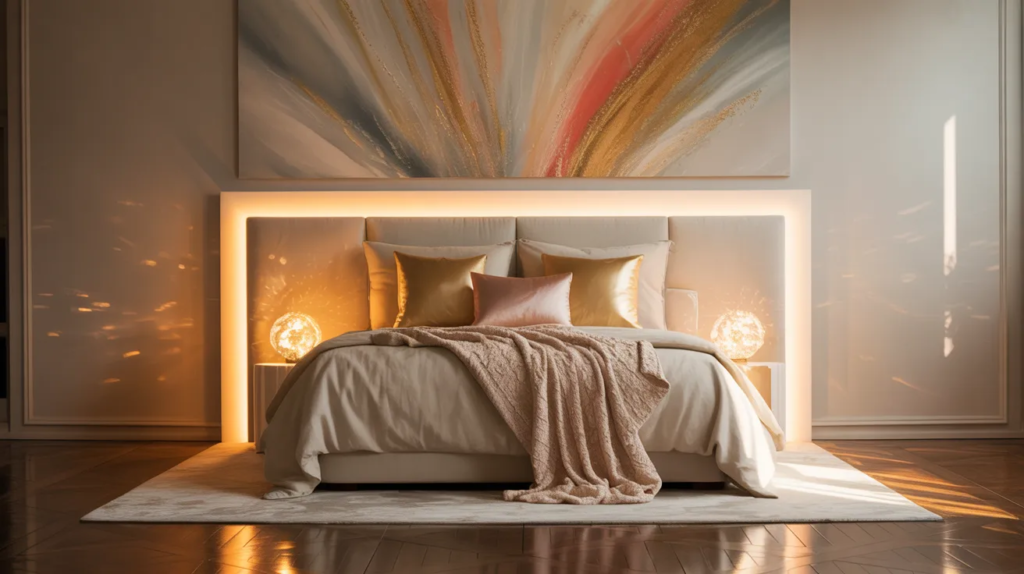
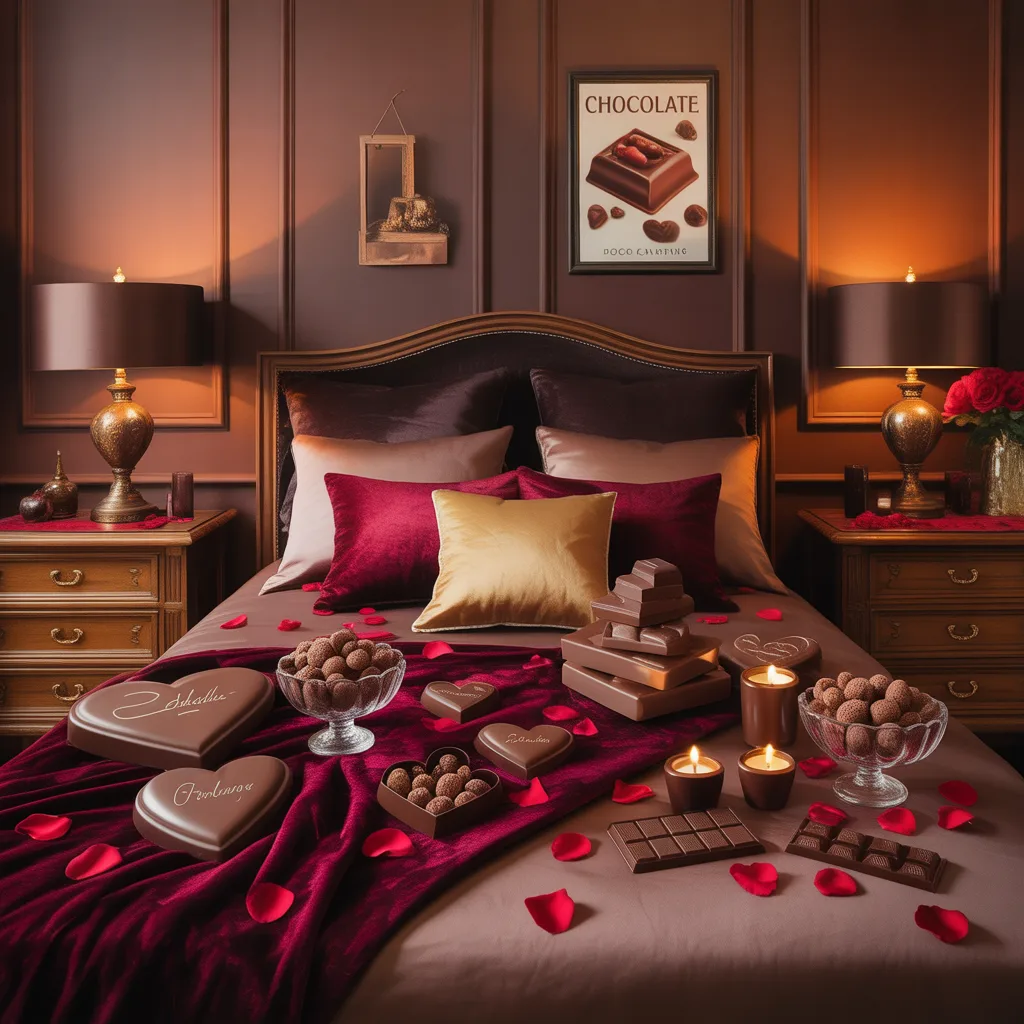
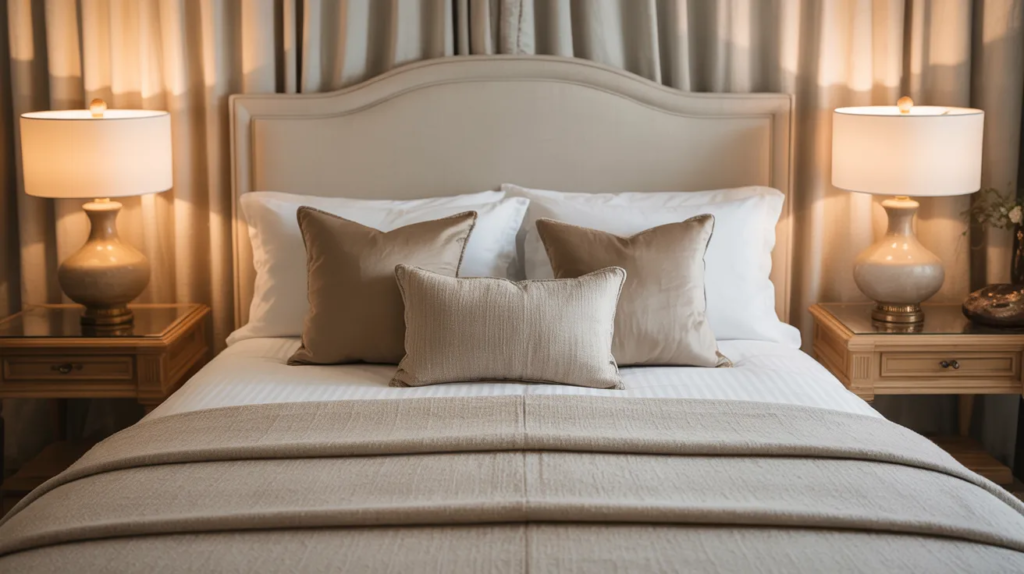
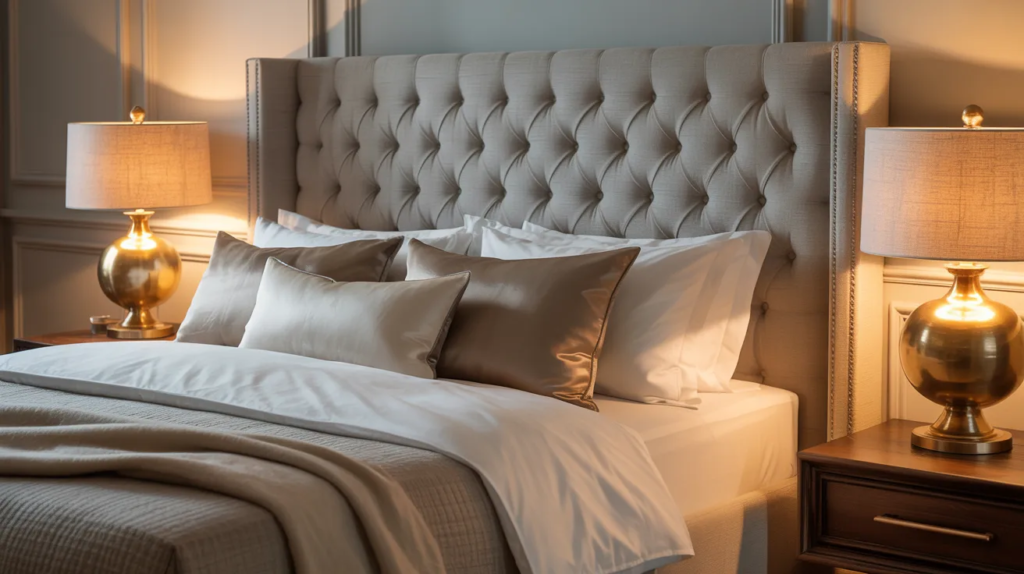
Decorative pillows for the bedroom were honestly where I saw the most dramatic difference. I had been sleeping in a room that looked fine a duvet, two standard pillows in matching cases, done. But the moment I started layering decorative pillows on the bed, the entire room shifted from functional to intentional. What I discovered is that the key to a bedroom that looks genuinely styled rather than just made is layering. You start with your largest pillows at the back, typically your Euro shams or oversized square pillows, and build forward from there, mixing sizes as you go.
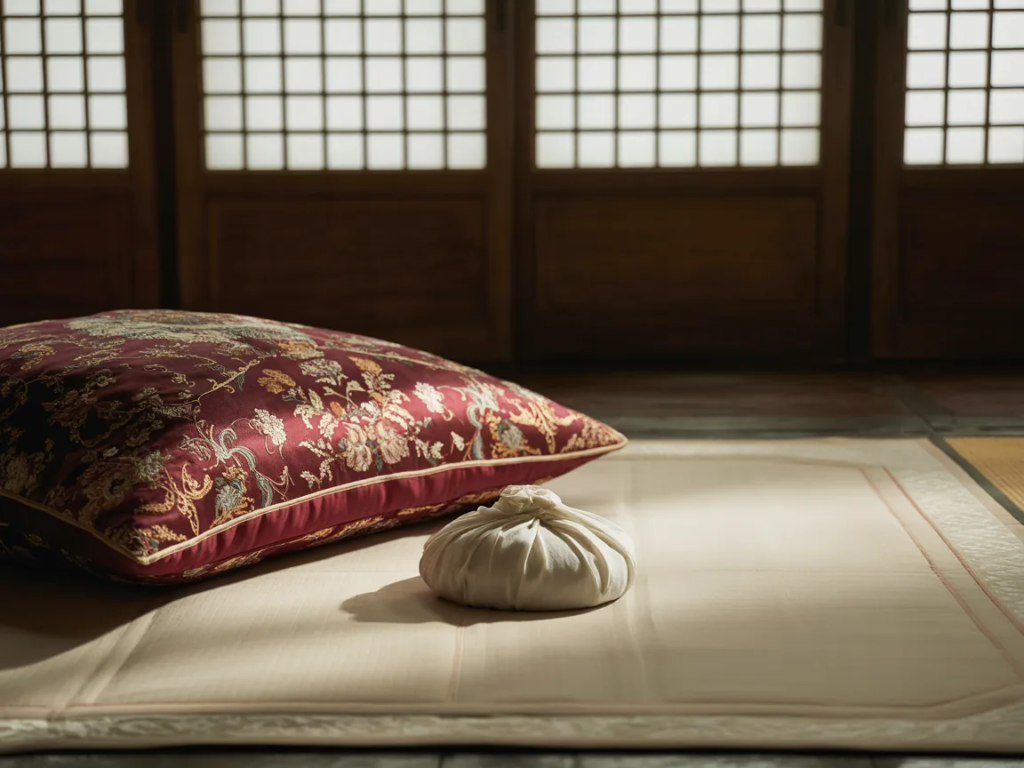
On a decorative pillows king bed setup specifically, you have beautiful real estate to work with. I use two Euro shams (26×26) at the back, two standard sleeping pillows in coordinating cases in the middle, and then two to three smaller decorative pillows at the front usually in a lumbar shape or a smaller square. The mix of sizes, combined with varied textures like linen, velvet, and cotton, is what creates that layered, luxurious effect that makes you feel like you’re checking into a boutique hotel every single night. And honestly? You deserve that feeling in your own home.
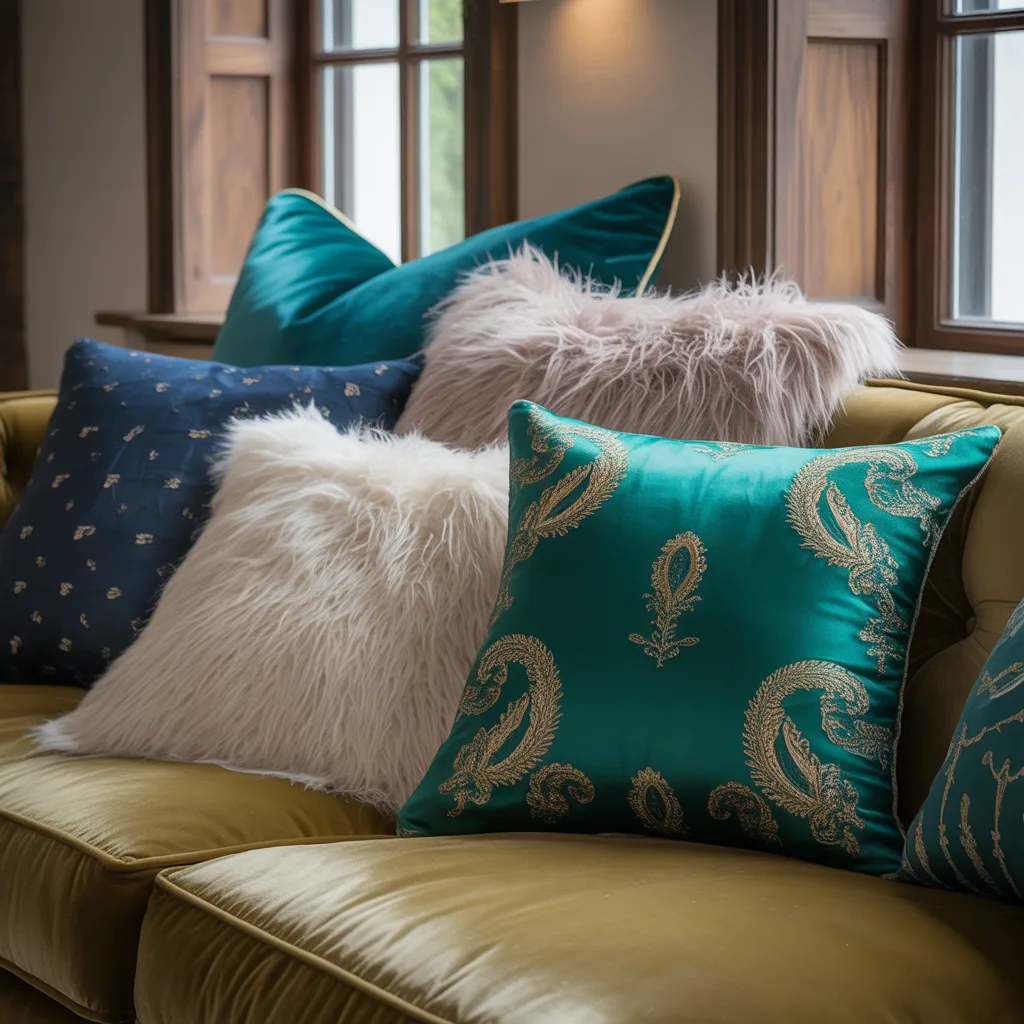
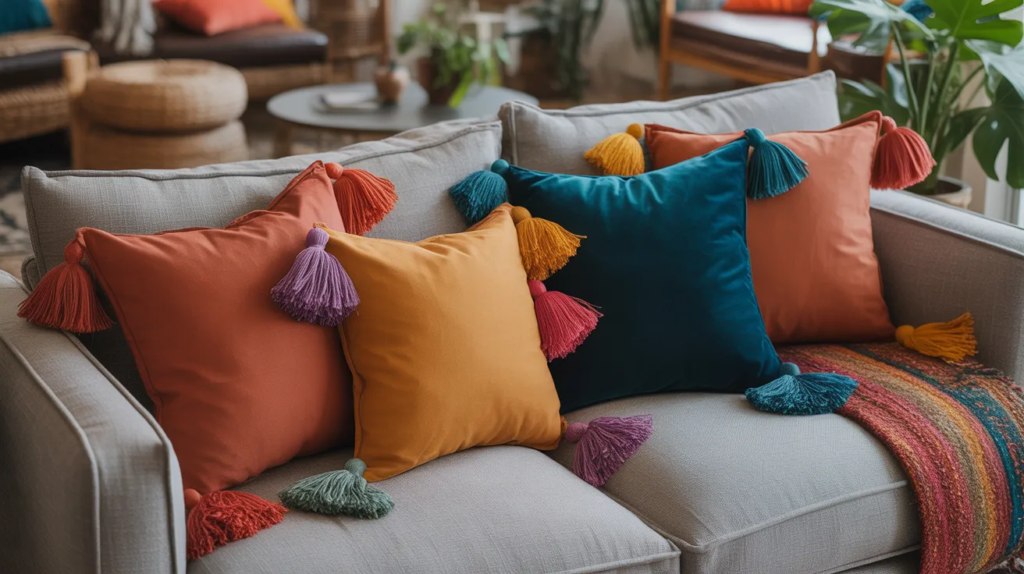
When it comes to decorative pillows for the living room, this is where I see the most people either overthinking it or completely giving up and leaving their sofas bare. I was in the “overthinking it” camp for a long time. I worried about matching too much, clashing too much, using the wrong sizes, picking the wrong textures. What finally broke me out of that paralysis was a simple rule I now swear by: odd numbers, mixed textures, and at least one pattern you genuinely love.
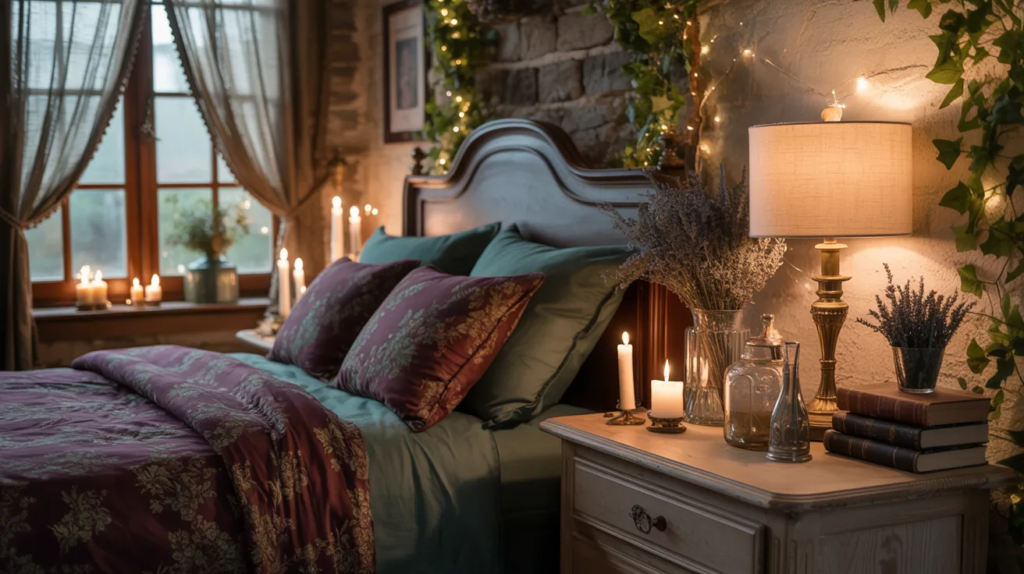
Decorative pillows on the couch work best when they feel layered and lived-in rather than perfectly symmetrical and stiff. I personally style my sofa with five pillows two larger ones on either end, one medium in the middle, and two smaller ones tucked in front. Decorative pillows for the sofa in varied sizes create visual movement, and mixing a solid with a subtle pattern and a bolder print gives the whole arrangement personality without tipping into chaos.
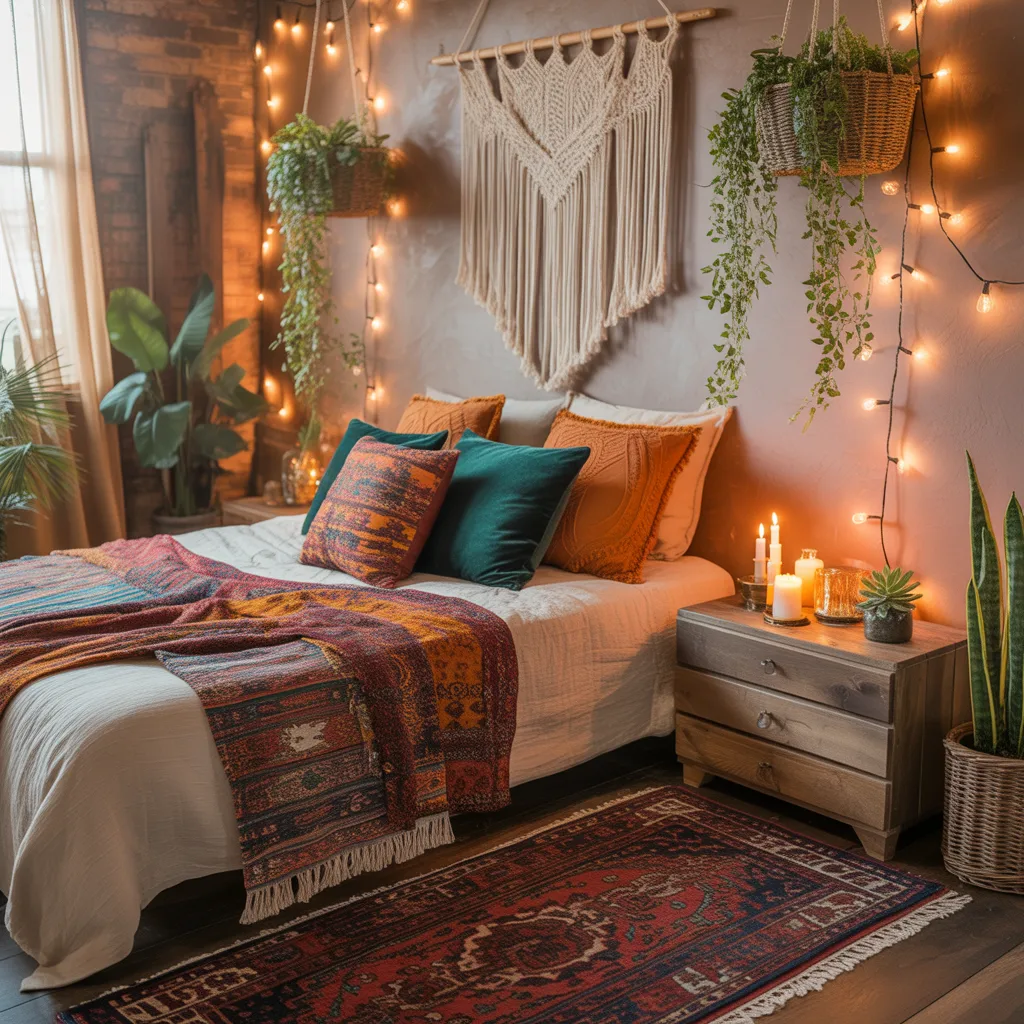
Decorative pillows on the couch also give you one of the easiest opportunities to introduce a seasonal refresh into your home. In autumn, I swap in deeper, warmer tones rust, terracotta, forest green. In spring and summer, I pull those out and bring in lighter linens and soft blues. The sofa itself never changes. The room feels completely different. That’s the power of working with pillow covers rather than buying entirely new pillows every season. A good set of pillow covers in rotating palettes can give your home four completely different looks across a single year at a fraction of the cost of any other decorating approach.
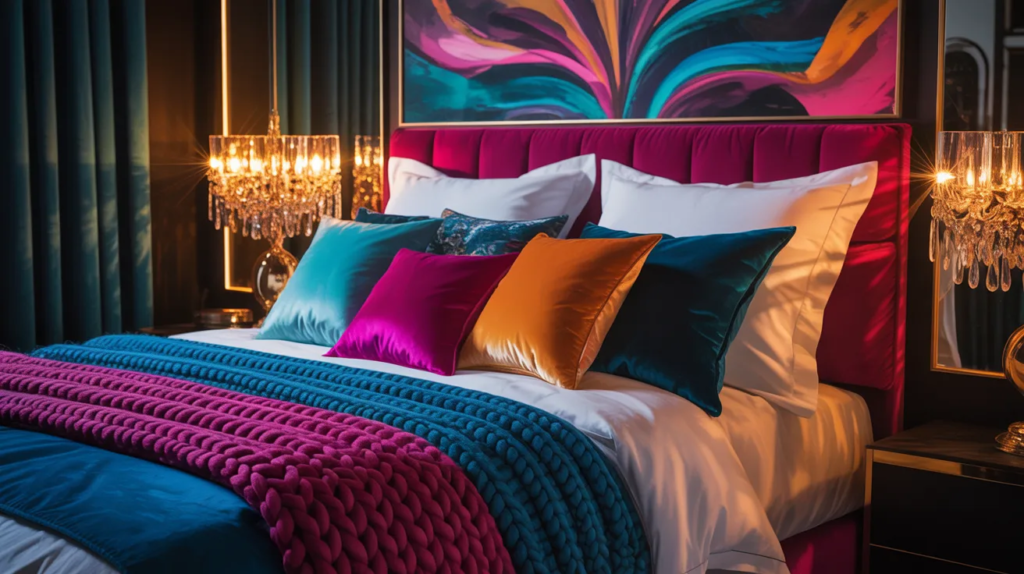
Now, let’s talk about decorative pillows ideas because I know that sometimes you just need a starting point, a jumping-off place when you’re staring at a blank couch or a bare bed and feeling completely uninspired.
Some of my favorite decorative pillows ideas that have worked beautifully in my own home include: mixing a chunky knit pillow with a smooth velvet one for a contrast that feels cozy and sophisticated at the same time; using a single oversized lumbar pillow on a bench at the foot of the bed as both a styling statement and a genuinely functional piece; layering two identical accent pillows in a bold pattern on either side of a sofa to create symmetry while still letting the rest of the arrangement breathe freely.
Decorative pillows for the bed don’t have to match your bedding perfectly in fact, I’d argue that a slight contrast is almost always more interesting. If your bedding is white or cream, reach for decorative pillows in a warm neutral or a muted earthy tone rather than more white. The contrast is subtle, but it’s what separates a bed that looks styled from one that just looks made.
And decorative pillows ideas don’t have to stop at the obvious places. I have accent pillows on the reading chair in my bedroom, on the window seat in my kitchen, and even on the bench in my entryway. Anywhere you want someone including yourself to feel welcomed and comfortable is a place that a well-chosen pillow can quietly do its work.
The bottom line is this: decorative pillows are one of the most powerful, most accessible, and most personal tools you have as someone who cares about how their home looks and feels. They don’t require a big investment, a design degree, or a perfectly curated aesthetic. They just require a little curiosity, a willingness to experiment, and the belief that your home deserves to feel as good as it looks.
Frequently Asked Questions
How many decorative pillows should I put on my sofa?
I recommend working in odd numbers five decorative pillows on a standard three-seater sofa is my go-to starting point. Two larger throw pillows on either end, one medium cushion in the center, and two smaller accent pillows layered in front. For a sectional, go up to seven or nine. The goal is layered and intentional not sparse, not overcrowded.
What size decorative pillows work best on a bed?
On a queen bed, I layer 26×26 Euro shams at the back, standard sleeping pillows in the middle, and 18×18 decorative pillows at the front with a lumbar pillow as the finishing touch. On a king bed, scale up and add one extra pillow per row to fill the wider width. The layering principle largest to smallest, back to front works on every bed size.
Can I mix patterns with my throw pillows and cushions?
Absolutely and I encourage you to. The key is varying the scale of your patterns. Pair one large-scale print throw pillow with a medium geometric cushion and a solid accent pillow. Keep the color palette consistent across all three patterns and the mix will feel intentional rather than chaotic. One large pattern, one medium, one solid is a formula that works every single time.
How often should I change my pillow covers?
I swap my pillow covers four times a year once per season. It’s the single most impactful and most affordable way I know to keep a home feeling fresh and current without redecorating. The decorative pillow inserts stay the same year-round; only the covers change. This approach saves significant money and keeps every room feeling alive and intentional throughout the year.
What’s the best fabric for decorative pillows?
It depends on where you’re using them and what mood you want to create. For living room throw pillows, I love velvet for richness, linen for casual warmth, and cotton for everyday practicality. For bedroom cushions, I gravitate toward softer, more muted fabrics like brushed cotton and jersey. For seasonal decorative pillows, I reach for chunky knit in winter and lightweight woven pillow covers in summer. Texture variety is always more interesting than uniformity.
Conclusion:
I started this guide with a story about a living room that felt unfinished and a bag of decorative pillows that changed everything. But what I really want you to walk away with is something bigger than styling tips and color rules.
Your home deserves to feel like you. Warm, layered, alive, and full of the quiet, personal details that make a space feel genuinely inhabited. And decorative pillows as simple and accessible as they are one of the most powerful ways I know to close the gap between a home that looks okay and a home that feels like everything.
Whether you start with a set of throw pillows for your bare sofa, a layered arrangement of cushions on your bed, a single statement accent pillow that finally gives your reading chair a reason to exist, or a rotating collection of pillow covers that keeps every room feeling fresh through every season the starting point matters less than the starting.
So go find the decorative pillows that make you feel something when you look at them. The ones that make you want to sit down, stay a while, and feel completely at home. I promise your space will thank you for it.