
Avant garde fashion has this uncanny ability to make you stop mid-scroll on Instagram, staring at someone wearing something so wildly different that you can’t look away. That moment of “wait, what am I even looking at?” that’s the power of this style catching your attention. I’ll be honest when I first encountered this style, I wasn’t sure if I was looking at high fashion or someone who got dressed in the dark. But here’s the thing: that confusion is kind of the point.
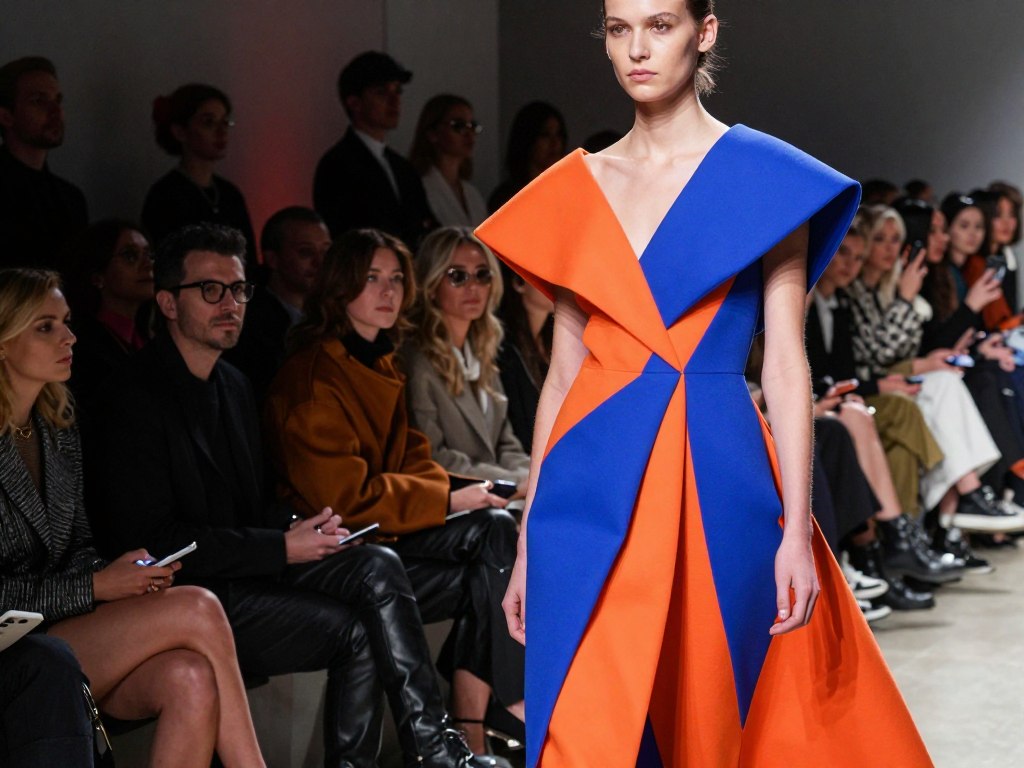
Avant garde fashion isn’t trying to make you comfortable. It’s not designed to help you blend in at brunch or look “put together” for a job interview. Instead, it’s fashion that asks questions, challenges assumptions, and sometimes makes you wonder if the designer was serious or just messing with everyone. Spoiler alert: they’re usually dead serious.
Breaking Down What Avant Garde Actually Means
Let’s tackle the terminology first because “avant garde” gets thrown around a lot, often incorrectly. The phrase comes from French—”avant” means before or advance, and “garde” means guard. Historically, it referred to military units that scouted ahead of the main army. In fashion terms, these are the designers who venture into uncharted territory while the rest of the industry plays it safe.
But calling something avant garde doesn’t just mean it’s weird or different. I’ve seen people slap this label on anything unconventional, which misses the point entirely. True avant garde fashion involves intentional deconstruction of established norms. It’s conceptual. There’s usually a philosophy behind why a sleeve is attached to the hip or why a dress has seventeen zippers in seemingly random places.
According to Vogue’s comprehensive fashion dictionary at vogue. avant garde represents the experimental and innovative end of fashion design, where artistic expression takes precedence over commercial viability. That last part matters—these designers aren’t necessarily trying to sell millions of units.
How This Whole Movement Got Started
Fashion history tends to romanticize everything, but the emergence of avant garde fashion genuinely disrupted the industry. We’re talking about the early 1900s when designers like Paul Poiret started questioning why women needed to wear corsets that literally rearranged their internal organs. Revolutionary? Absolutely. But the real explosion happened much later.
The 1980s Paris fashion scene wasn’t ready for what hit it. Japanese designers Rei Kawakubo and Yohji Yamamoto presented collections that looked nothing like the shoulder-padded, glamorous excess dominating Western fashion. Their clothes were predominantly black, intentionally shapeless, and featured what looked like mistakes—holes, frayed edges, asymmetrical cuts. Fashion critics didn’t know what to make of it. Some called it brilliant; others were genuinely offended.
I find it fascinating that what shocked Paris in 1981 now influences mainstream fashion constantly. Those “distressed” jeans everyone wears? That aesthetic of intentional imperfection traces directly back to these designers challenging perfection as a goal.
Belgium gave us another wave of revolutionaries. Martin Margiela became legendary not just for his clothes but for his mystery—he refused almost all interviews and never appeared at his own shows. His designs deconstructed garments to their basic elements and then rebuilt them wrong on purpose. Sounds strange, but the results were mesmerizing.
What Makes Something Actually Avant Garde
I get asked this constantly: “How do I know if something’s avant garde or just badly designed?” Fair question. Several characteristics consistently appear across avant garde fashion, though not every piece needs all of them.
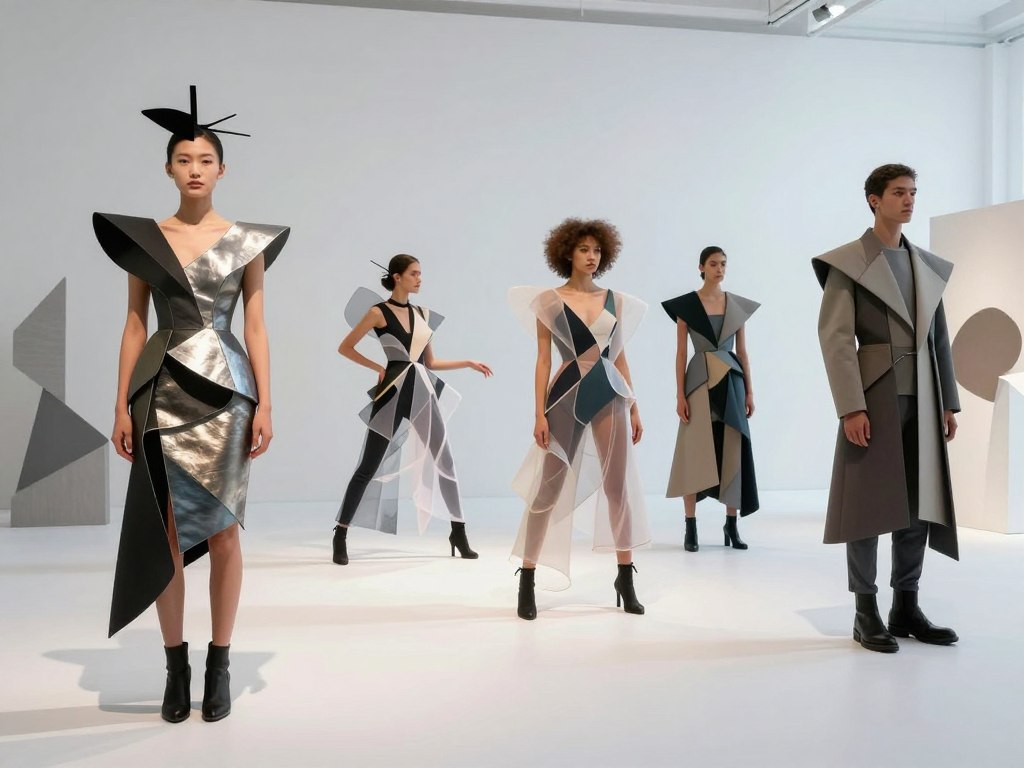
Deconstruction tops the list. Imagine taking apart a perfectly good jacket and sewing it back together inside-out, with the lining showing and seams exposed. That’s deconstruction. It reveals the construction process instead of hiding it behind a polished surface. When you see garments with raw edges, exposed interfacing, or components attached in unconventional ways, you’re looking at deconstruction in action.
Asymmetry shows up everywhere. One sleeve short, one long. A hemline that dips dramatically on one side. A collar that exists only on the right shoulder. This deliberate imbalance fights against our expectation that clothes should mirror the body’s symmetry. It’s visually jarring at first, which is exactly why designers do it.
Color—or the lack of it—plays a huge role. Walk into any avant garde boutique and you’ll swim in a sea of black. Why? Because removing color focuses attention on shape, texture, and form. That said, when these designers use color, they go bold: clashing prints, unexpected combinations, or single shocking hues that dominate entire collections.
Proportions get weird. Sleeves that puddle on the floor. Shoulders built out so far they change your entire silhouette. Pants so voluminous they look like skirts. These exaggerated proportions transform the human body into something else entirely. They question whether clothes should follow the body’s shape or create their own architecture. If you’re curious about how to balance experimental proportions with everyday wearability, check out our guide on cute winter outfits for women that incorporate unconventional elements tastefully.
Materials matter immensely. Avant garde designers work with everything from traditional silk to industrial plastics, often combining materials that have no business being together. Leather as soft as fabric. Stiff architectural shapes made from delicate materials. It’s material exploration that regular fashion rarely attempts.
The Designers Who Changed Everything
Understanding avant garde fashion means knowing its key players. Rei Kawakubo of Comme des Garçons might be the most important designer you’ve never heard of—unless you’re into fashion, in which case she’s basically royalty. Her 1997 “lumps and bumps” collection put padded protrusions in random places on garments, completely distorting the body’s natural shape. Critics called it unwearable. She called it exploring the space between body and fabric.
Yohji Yamamoto brings a poetic sensibility that makes his work feel almost romantic despite its avant garde edge. He’s famous for saying “I think perfection is ugly,” and you see that philosophy in every piece—the intentional imperfections, the loose threads, the way nothing ever feels too finished. His clothes have soul.
Then there’s Martin Margiela, who left his eponymous label years ago but whose influence persists everywhere. His “Artisanal” line transformed trash into treasure—he’d take broken plates and turn them into vests, or use old leather gloves to create entire garments. His replica collections exactly reproduced vintage pieces, questioning originality and authenticity in fashion.
Rick Owens deserves mention for bringing avant garde aesthetics to a somewhat broader audience. His “glunge” aesthetic (glamorous grunge) combines gothic elements with high fashion, creating elongated silhouettes that look like they belong in a beautiful dystopia. He’s also pushed representation in fashion, consistently casting diverse models that challenge conventional beauty standards.
How Weird Fashion Becomes Normal Fashion
Here’s something wild: that avant garde fashion everyone mocked ten years ago? You’re probably wearing a watered-down version right now. The fashion industry operates on a cycle where experimental ideas gradually filter down into mainstream acceptability.
Remember when exposed zippers looked unfinished and cheap? Avant garde designers featured them prominently in the 90s, and now they’re standard details on everything from fast fashion to designer wear. The current obsession with oversized everything—baggy jeans, huge blazers, chunky sneakers—all stems from avant garde explorations of proportion from decades ago.
Even the “ugly fashion” trend that dominated recent years traces directly to avant garde rejection of conventional beauty. Those intentionally clunky shoes and mismatched prints weren’t random—they represented mainstream fashion finally catching up to ideas avant garde designers had been exploring for years.
It’s not that avant garde designers sit around plotting to influence H&M. They’re expressing ideas, creating art, questioning assumptions. But the fashion industry watches, and slowly, these radical concepts get sanitized, commercialized, and sold to everyone. According to the Business of Fashion at business of fashion, this innovation cycle remains crucial for the industry’s evolution, even as it creates tension between artistic vision and commercial reality.
Making Avant Garde Work in Real Life
Look, I’m not suggesting you show up to your office job looking like you raided Rei Kawakubo’s personal closet. But you can absolutely incorporate avant garde elements without looking like you’re headed to an art installation opening.
Start small with accessories. An asymmetric bag, architectural jewelry, or shoes with unusual proportions can edge up a basic outfit without requiring a complete wardrobe overhaul. I’ve found that one strong avant garde accessory often generates more interesting compliments than a whole “Instagram-worthy” outfit.
The one-statement-piece rule works well. Pair an oversized black coat with interesting draping over simple jeans and a white tee. Or wear an asymmetric top with your regular pants. The avant garde piece becomes the focal point while everything else provides a neutral background.
Monochrome dressing is your friend. Building outfits entirely in black (or white, or grey) immediately gives you an avant garde vibe even with conventional pieces. Focus on mixing textures—matte cotton with shiny leather with rough wool. The tonal variation creates depth without color distraction.
Thrift stores hide treasures. Vintage avant garde fashion often ends up in secondhand shops because it’s “too weird” for regular resellers. I’ve found incredible pieces from 90s and early 2000s experimental designers for next to nothing. They sit on the rack looking strange until someone who gets it comes along.
Proportions are free to experiment with. You don’t need designer labels to try oversized silhouettes, unexpected layering, or asymmetric styling. Play with how you combine pieces you already own. Belt an oversized shirt in unexpected places. Layer a long vest over a short jacket instead of the reverse. Question the “rules” you’ve internalized.
The Affordable Reality Check
Let’s address the elephant wearing a $4,000 deconstructed jacket: authentic avant garde fashion costs a fortune. A single Comme des Garçons piece can run thousands of dollars. Rick Owens basics start at prices that make you wonder if they accidentally added extra zeros. This creates a genuine problem for people who love the aesthetic but don’t have trust fund money.
Fortunately, the philosophy of avant garde fashion—questioning conventions, experimenting with form, prioritizing creativity over commerce—doesn’t require a luxury budget. Several brands offer avant garde-influenced designs at accessible prices. COS consistently produces architectural pieces with interesting proportions. & Other Stories dabbles in asymmetry and unusual cuts. AllSaints often plays with draping and proportion, though they stay more commercial than truly avant garde.
The secondhand market is your best friend here. Avant garde fashion from previous seasons or decades frequently appears at consignment shops and online resale sites. Because these pieces don’t appeal to mainstream buyers, they often sell for steep discounts despite their original prices and lasting quality.
DIY approaches align perfectly with avant garde philosophy. Many designers in this movement explicitly reject fashion’s commercialization, so creating your own experimental pieces feels authentic. Raw edges, exposed seams, and visible construction fit the aesthetic—you don’t need perfect sewing skills. I’ve seen incredible student projects that captured the avant garde spirit better than expensive designer pieces.
Where Things Are Headed Now
Avant garde fashion keeps evolving as new designers bring fresh perspectives. Demna Gvasalia at Balenciaga has stirred controversy by bringing streetwear into the avant garde space—oversized hoodies and chunky sneakers at luxury prices. Some argue this dilutes avant garde principles; others see it as the logical evolution of challenging fashion hierarchies.
Sustainability has become crucial for experimental designers. The avant garde tendency toward deconstruction aligns naturally with upcycling and zero-waste design. Designers increasingly question not just aesthetic conventions but the environmental cost of fashion production. Why make new fabric when you can transform existing materials into something conceptually interesting and environmentally responsible?
Digital fashion represents a weird new frontier. Some avant garde designers now create garments that exist only digitally clothes meant to be “worn” through photo editing or in virtual spaces. This pushes an interesting question: if fashion is expression and art, does it need physical existence? I’m not sure how I feel about this trend, but it’s definitely thought-provoking.
Gender fluidity has become central to contemporary avant garde fashion. While designers like Yamamoto always created relatively gender-neutral work, newer designers explicitly reject gender categories. This feels like natural evolution—if avant garde fashion questions assumptions about bodies and dress, why shouldn’t it question gender assumptions too?
Why Any of This Still Matters
In our current fashion landscape—dominated by ultra-fast fashion cycles and algorithm-driven trends—avant garde fashion serves a crucial purpose. It preserves space for pure experimentation, for creativity without commercial compromise, for ideas that might never sell but need to exist anyway.
These designers create fashion that challenges you, that sometimes makes you uncomfortable, that forces you to reconsider assumptions you didn’t know you had. That discomfort is valuable. It pushes conversations forward about beauty standards, gender expression, sustainable consumption, and what clothing means beyond covering our bodies.
Not everyone wants to wear avant garde fashion, and that’s completely fine. But its influence touches everything else we wear, pushing the entire industry forward even when we don’t realize it. Those slightly unconventional cuts in mainstream stores? That interesting texture in an otherwise basic piece? The growing acceptance of gender-neutral clothing? All of these trace back to avant garde experimentations.
Frequently Asked Questions About Avant Garde Fashion
What’s the difference between avant garde and regular designer fashion?
Regular designer fashion focuses on creating beautiful, wearable clothes that appeal to consumers and drive sales. Avant garde fashion prioritizes artistic expression and conceptual ideas over commercial appeal. Think of it this way: designer fashion asks “Will people buy this?” while avant garde fashion asks “What does this say?” Regular designers might reference trends; avant garde designers create entirely new visual languages that eventually become trends.
Is avant garde fashion actually wearable in everyday life?
Honestly? Most runway avant garde pieces aren’t meant for everyday wear; they’re artistic statements. However, many avant garde designers create more accessible diffusion lines with toned-down versions of their experimental ideas. Plus, you can absolutely incorporate avant garde elements (asymmetry, unusual proportions, monochromatic styling) into regular outfits without going full runway. I wear avant garde-inspired pieces to work all the time; you just need to balance the experimental with the practical.
Why is avant garde fashion so expensive?
Several reasons drive the high prices. First, these pieces often involve complex construction techniques and hand-finishing that take serious time and skill. Second, production runs are tiny compared to mainstream fashion. We’re talking dozens of pieces versus thousands. Third, you’re paying for the designer’s artistic vision and years of expertise. Finally, the materials used are often premium quality or specially sourced. That said, you can find affordable avant garde-inspired options or vintage pieces if you know where to look.
Who are the most important avant garde fashion designers?
The Mount Rushmore of avant garde fashion includes Rei Kawakubo (Comme des Garçons), Yohji Yamamoto, Martin Margiela (who founded Maison Margiela), and Rick Owens. Historically, you’d also include Issey Miyake and Ann Demeulemeester. Contemporary designers pushing boundaries include Demna Gvasalia (Balenciaga), Iris van Herpen, and Craig Green. Each brings unique perspectives, some focus on deconstruction, others on technology, still others on cultural commentary.
How do I start building an avant garde wardrobe on a budget?
Start with thrift stores and online resale platforms like Vestiaire Collective, Grailed, or The RealReal you’d be surprised what shows up. Look for pieces with interesting proportions, asymmetric cuts, or unusual details even if they’re not from avant garde labels. Build a strong foundation of black basics in varying textures, then add one statement piece at a time. Brands like COS, & Other Stories, and Uniqlo U occasionally produce affordable pieces with avant garde influences. Also, don’t underestimate DIY cutting, deconstructing, and reassembling your existing clothes fits perfectly with avant garde philosophy.
What’s the difference between avant garde and haute couture?
Great question because people confuse these constantly. Haute couture is a legally protected term in France referring to custom-fitted, handmade clothing created by specific fashion houses. It’s about luxury, exclusivity, and impeccable craftsmanship. Avant garde fashion is about pushing conceptual boundaries and challenging conventions—it can be haute couture, but doesn’t have to be. Some avant garde designers work in ready-to-wear; some haute couture is quite conservative. They can overlap, but they’re not the same thing.
Can men wear avant garde fashion?
Absolutely, and honestly, a lot of avant garde fashion is intentionally gender-neutral or gender-fluid. Designers like Yohji Yamamoto and Rick Owens have huge male followings. The oversized proportions, dark color palettes, and architectural shapes work beautifully for any gender. In fact, men often have an easier time incorporating avant garde elements because menswear is generally more accepting of loose, draped silhouettes. Just look at how streetwear has embraced oversized fits and unconventional proportions—that’s avant garde influence reaching mainstream menswear.
Is avant-garde fashion just a trend, or will it last?
Avant garde fashion isn’t a trend—it’s a philosophical approach to design that’s existed for over a century and will continue evolving. Individual avant garde movements and aesthetics might shift, but the core concept of pushing boundaries and questioning conventions remains constant. What we consider avant garde today might seem tame in twenty years, but there will always be designers creating work that challenges contemporary norms. It’s not going anywhere because fashion needs that experimental edge to evolve.
Final Thoughts
Avant garde fashion represents fashion’s vanguard, the advance guard constantly pushing into uncharted territory. It asks uncomfortable questions, challenges established norms, and creates garments that force us to reconsider our relationship with clothing. Whether you wear it or simply appreciate it from a distance, this movement enriches fashion as a whole.
What I love about avant garde fashion is that it doesn’t care about easy prettiness. It cares about ideas, questions, and the courage to create something that might fail spectacularly. It’s fashion that takes genuine risks, and in doing so, clears the path for everyone else to take smaller risks in their personal style.
The avant garde will keep leading fashion forward, creating pieces that seem bizarre today but prophetic tomorrow. That’s the nature of the advance guard they’re already living in the future, and eventually, the rest of us catch up. Sometimes we catch up quickly; sometimes it takes decades. But they’re out there, always moving forward, always questioning, always creating.