
People are questioning the Life360 Lawsuit, a family tracking software, because they say the firm collected and sold exact location data without getting express permission from users. This page explains the Life360 litigation chronology, the privacy problems at stake, and what users can do to keep their data safe. Read on to find out what happened, how it could affect millions of people, and some easy steps you can take right now to protect your privacy.
What is Life360?
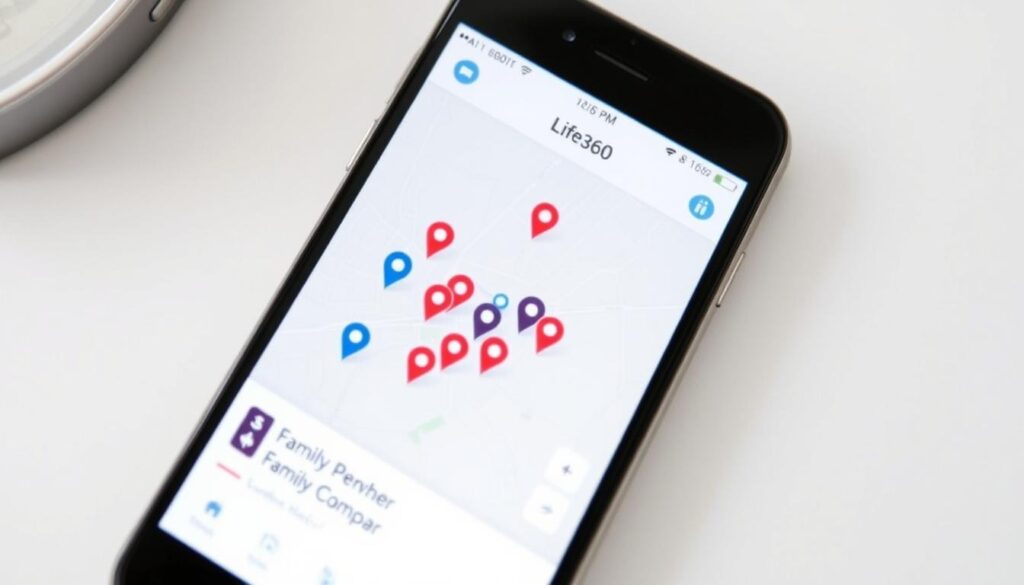
Life360 app interface showing family location tracking features
Life360 is a popular app for keeping families safe that lets family members share their locations in real time. The service started in 2008 and now has millions of users who use it to check on loved ones, set up pickups, or get alerts when family members arrive at a place.Life360 uses GPS and sensors in devices to give family members frequent location updates so they can see where everyone is on a map.
For example, a parent can use Life360 to confirm their teen arrived at school without calling — a helpful convenience. But that same precise location capability is also the central issue in the legal disputes over how the app collects and shares user data.
The Life360 Lawsuit: Emergence of Legal Scrutiny

Legal documents related to the Life360 lawsuit with privacy concerns highlighted
In recent years, Life360 has been the subject of multiple lawsuits and regulatory attention over how it collects and shares users’ location and other data. Much of the scrutiny followed investigative reporting that raised questions about whether the app’s business model included selling precise location information to third parties.
Key Allegations in the Life360 Lawsuits
The main allegations across these legal actions focus on several themes: “Our investigation revealed that Allstate and Arity paid mobile apps millions of dollars to install Allstate’s tracking software. The personal data of millions of Americans was sold to insurance companies without their knowledge or consent in violation of the law.”Texas Attorney General Ken Paxton
- Unauthorized data sales: Plaintiffs allege Life360 sold precise location data from its users to data brokers without adequate consent.
- Inadequate disclosure: Complaints say the company did not clearly explain how user location and other data would be used or shared.
- Third-party sharing: Lawsuits and reporting name companies, such as Allstate and its subsidiary Arity as recipients of driving and location data used for underwriting and analytics.
- Privacy law claims: Some filings allege violations of state and federal privacy laws, including the Texas Data Privacy and Security Act.
Major Legal Developments

Timeline of Life360 lawsuit events showing key developments
Key milestones in the public record include:
- December 2021: Investigative reporting by The Markup identified Life360 as a significant source of precise location data to the data broker ecosystem.
- January 2022: Life360 announced it would stop selling precise location data to most data brokers, saying it would move toward aggregated data products.
- January 2023: A class action lawsuit (E.S. v. Life360) was filed in the Northern District of California alleging improper sale of location data.
- November 2023: The E.S. v. Life360 action was dismissed voluntarily with prejudice, meaning that claim cannot be refiled; dismissal reasons vary by case (settlement, procedural or other legal reasons).
- January 2025: The Texas Attorney General filed suit against Allstate and Arity, mentioning mobile apps “such as Life360” in alleging a broader scheme of collecting and selling driving data.
What is a “Dismissal with Prejudice”?
When a case is dismissed “with prejudice,” the plaintiff cannot bring the same claim again — in other words, that particular claim is over. Reasons for such outcomes can include settlements, insufficient evidence, or other legal resolutions.What this looks like for a typical user: if location data was sold to brokers, insurers or analytics firms, it could be repackaged and used for things like targeted offers or underwriting models — outcomes that many people would not expect from a family safety app. (See original reporting and court dockets for source documents and exact wording.)
Key Issues for Life360 Users to Understand
Privacy Concerns
Smartphone showing Life360 privacy settings and data collection options
What this means for your privacy: the app’s precise location and sensor data — designed to keep families safe — can also create detailed records of where you go and what you do. Below is a concise look at the kinds of data collected and how long it can stick around.
What Data is Collected
- Exact GPS location data (updates every few seconds to show movement on a map)
- Patterns of movement and travel history that show routines and paths
- Driving behavior (speed, acceleration, and braking) is used for safety reports
- Data from phone sensors (like the accelerometer and gyroscope) helps detect motion
- Trip details like where it starts and ends, how long it lasts, and how far it goes
- Information about the device and its metadata (model, OS version, timestamps)
How Long Data is Retained
- If you don’t delete it, location history can be kept for a long time.
- Depending on backups or copies made by third parties, some records may still be there after an account is deleted.
- Life360 may not be able to directly control data that is given to other people.
- Broker databases can keep aggregated datasets that come from individual locations.
Data Sharing Allegations
Diagram showing how Life360 data flows to third parties and data brokers
Investigations and lawsuits raised concerns that Life360’s location data was going to brokers and other companies outside of the app, which could put consumers at risk. The Markup reported in December 2021 that Life360 was a major provider of accurate location data to the data broker industry, sending information from tens of millions of users to several data companies. Some important parts of the accusations are:
- Data broker relationships: People who sued Life360 and reporters say that the company gave brokers user location data that they then repackaged and sold.
- Connections in the insurance industry: Companies like Allstate and its subsidiary Arity have been named as users of driving and location data for analytics and underwriting.
- Sensitive-location exposure: Detailed location histories can show visits to medical clinics, religious sites, or shelters, which are places that many people think are very private.
- Consent and disclosure: People who complained said that the ways users could give their consent and learn about their privacy were not clear or enough for them to understand how their data would be used to make money.
Check Your App Privacy Settings
Take charge now: check your Life360 settings to stop background tracking and get rid of location history that you don’t need. You can collect and share less location data by making small changes.
Consumer Rights and Protection Laws

Consumer protection laws related to data privacy and mobile apps
Several laws may offer protections or remedies for consumers concerned about how location data is collected and shared.
- Texas Data Privacy and Security Act: Requires clear notice and informed consent for collecting sensitive data, such as exact geolocation. This has been used in related enforcement actions.
- The California Consumer Privacy Act (CCPA) gives people in California the right to know what personal information is collected, ask for it to be deleted, and choose not to have their personal information sold.
- The Federal Trade Commission Act says that unfair or deceptive practices are against the law. This is a reason to take action if privacy disclosures are misleading.
- The Children’s Online Privacy Protection Act (COPPA) may apply if the app collects personal information from kids under 13 without getting the right permission from their parents.
Practical Guidance for Life360 Users
Person reviewing privacy settings on the Life360 app on a smartphone
Worried about how your location and other data are used? Start with a quick checklist below, then follow the specific steps to tighten privacy on the app and your device.
Quick checklist (do these first)
- Set location permission to “While Using” instead of “Always”.
- Disable features you don’t need (like driving reports) to reduce background data collection.
- Delete old location history you no longer want stored in your account.
Reviewing and Adjusting Your Privacy Settings
- Limit Location Sharing: On iOS or Android, change Life360’s permission to “Only while using the app” to prevent continuous background tracking.
- Disable Unnecessary Features: Turn off driving reports, crash detection, or automatic check-ins if you don’t use them—each feature can increase the amount of data collected.
- Review Circle Settings: Audit who in your family circle can see your location and remove or restrict members if needed.
- Ghost Mode: Use Ghost Mode when you need temporary privacy; note it may disable some safety features.
- Data Deletion: Periodically clear location history in app settings and check whether deletion applies to backups or shared copies.
Understanding App Permissions
Smartphone showing app permission settings for location tracking apps
App permissions control what data the app can collect and when. Small changes can significantly reduce how much data Life360 gathers about you.
- Location Permissions: Choose “While Using” or “Never” where appropriate; “Always” allows the app to collect continuous location updates.
- Background Activity: Disable background activity for Life360 if you don’t need real-time tracking.
- Bluetooth Access: Grant Bluetooth only when using Tile trackers to limit passive device scanning.
- Notifications: Keep notifications on for important alerts, but turn off less critical notifications to reduce passive app activity.
Alternatives to Consider
Comparison of family tracking apps with privacy-focused alternatives to Life360
If you prefer an option with different privacy trade-offs, consider these alternatives:
Google Family Link
Location sharing integrated into Google services with clearer privacy controls and account-level settings.
Apple Find My
Built into iOS with strong privacy protections and end-to-end encryption for Apple devices.
Trusted Contacts
Simpler, on-demand location sharing that can limit continuous tracking.
Conclusion:
The Life360 lawsuit era underscores a difficult trade-off: the app’s location and safety features make family life easier, but allegations about undisclosed data sharing show how those same features can expose people’s private movements and history. That tension between convenience and privacy is at the heart of ongoing scrutiny and legal action. What you can do next: review your app permissions, delete old location history, and limit features that collect continuous location data. These simple steps reduce how much data is available to third parties while still keeping the core safety benefits of the app. Legal outcomes — including class action and other lawsuits and possible court decisions — may change industry practices over time. For now, stay informed about updates to Life360’s policies and take practical steps to protect your data and your family’s privacy.
FAQs
Is Life360 being sued?
Life360’s tracking technology infringes patent, lawsuit says. (June 10, 2025) – A Minneapolis company that specializes in asset and inventory tracking says location-sharing app developer Life360 Inc. is using patented technology without permission.
Is Life360 messed up right now?
There have been 25 user-submitted reports of outages in the past 24 hours.
How do I get a refund from Life360?
Standard Return and Refund Policy
- Life360 can only refund orders placed directly through our website. …
- You can return your hardware for a refund within 30 days from the day you received your shipment.
- The order must be returned in good condition with its original packaging.
Why do people not like Life360?
The biggest complaints revolve around privacy invasion, battery drain, and relationship trust issues. Many users on Reddit and app reviews report feeling constantly monitored. It also drains phone batteries quickly due to real-time GPS tracking.
Which country owns Life360?
Life360, Inc. is a San Mateo, California–based American information technology company that provides GPS tracking and other location-based services, including sharing and notifications, to consumers globally.
Why is Life360 falling?
Life360 falls almost 6% as tech stocks face broader sell-offs amidst concerns of an AI bubble, impacting the S&P/ASX All Technology Index and overshadowing company-specific developments