
You know what’s funny? In a world where we send wedding invites via text and “save the dates” through Instagram stories, there’s something incredibly romantic about receiving a proper old fashioned invitation enclosure in your mailbox. I’m talking about those thick, beautiful envelopes stuffed with multiple cards that practically whisper “something special is happening.”
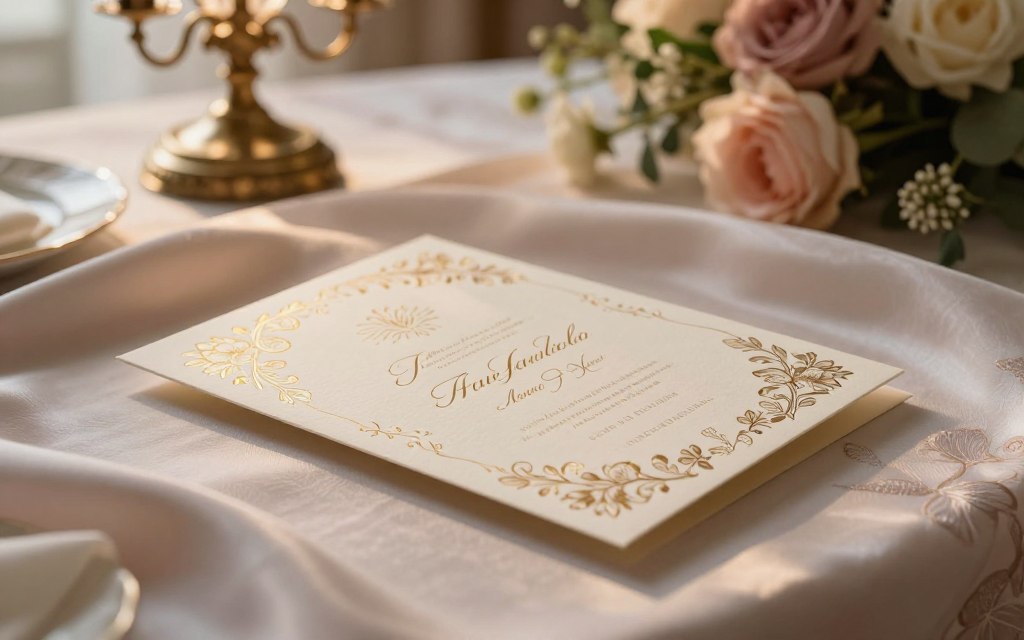
Let me tell you why these traditional invitation packages are making such a comeback, and honestly, why they never really went out of style for people who appreciate the finer things.
What Actually Makes Invitation Enclosures “Old Fashioned”?
When I say old fashioned invitation enclosures, I’m not just talking about slapping some vintage stamps on an envelope and calling it a day. These are the real deal—the traditional components that your grandparents (and their grandparents) used for every major celebration.
Back in the day, each piece had a job to do. Reception cards told you where to party after the ceremony. Response cards helped hosts get an accurate headcount. Direction cards actually got you to the venue without you getting hopelessly lost. These weren’t decorative, they were essential.
Here’s what I love about them: they make opening an invitation feel like unwrapping a carefully thought-out gift. Instead of scanning a QR code or clicking through a wedding website, you’re physically handling each card, reading the formal script, feeling the weight of quality paper. It’s an experience, not just information delivery.
Emily Post wasn’t wrong when she established these etiquette guidelines over a century ago. There’s a reason they’ve stuck around.
The Essential Components You’ll Want to Include
Reception Cards
Let’s start with reception cards. These became popular when the ceremony and reception happened at different places or times which honestly describes most modern weddings, doesn’t it?
I’ve seen gorgeous reception cards with wording like “Reception to follow at sunset” or the more traditional “The pleasure of your company is requested at the reception.” The formality level should match your main invitation, creating a cohesive vibe throughout the whole package.
Even if your reception is right after the ceremony in the same building, having a separate reception card just feels more elegant. It’s that attention to detail that guests notice and appreciate.
Response Cards with Envelopes
Now, response cards these are probably the most practical pieces in your old fashioned invitation enclosure. Sure, we could all just text “yeah, I’ll be there,” but where’s the charm in that?
Traditional response cards come with their own pre-addressed, pre-stamped envelopes. Yes, you’re paying for their postage, but it’s a courtesy that shows you respect your guests’ time. Plus, you’re way more likely to get responses back when people don’t have to hunt down stamps.
I always recommend including the reply-by date (usually three to four weeks before your event) and giving guests clear options to indicate whether they’re coming. Some couples add meal choices or a line for dietary restrictions. It’s that personal touch that makes everything feel more intimate.
Direction and Map Cards
Okay, I know what you’re thinking: “We have GPS now, do we really need printed directions?” And you’re right sort of. But hear me out.
Including direction cards in your invitation suite adds serious old fashioned charm, and they’re actually more useful than you’d think. What happens when someone drives through a rural area with spotty cell service? Or when your venue is in a historic district where GPS takes people to the wrong entrance?
I’ve seen couples create beautiful hand-drawn maps with illustrated landmarks, and guests absolutely love them. They’re practical and adorable the best combination. Plus, they make wonderful keepsakes. Speaking of seasonal celebrations, if you’re planning a winter wedding, you might want to share some15 stylish winter wedding guest attire ideas for 2026 on your accommodation cards or website so guests know how to dress for the weather.
Accommodation Cards
When your guests are traveling for your event—and let’s face it, someone’s always traveling these days—accommodation cards are genuinely helpful.
Traditional versions included everything: recommended hotels, special room block information, sometimes even shuttle schedules between the hotel and venue. These days, you can strike a nice balance by creating a beautiful accommodation card with essential details, then directing guests to your wedding website for booking links and additional options.
It’s that perfect blend of old fashioned elegance and modern convenience.
Getting the Etiquette Right
Here’s where things get interesting. The way you assemble your old fashioned invitation enclosure actually matters—it’s not just tossing cards into an envelope and hoping for the best.
The proper order goes like this: Start with your main invitation at the bottom, facing up. Layer your reception card on top of that, also facing up. Next comes the response card, tucked under (not inside) the flap of its envelope, facing up. Then stack your additional cards like directions and accommodations on top, all facing the same way.
If you’re using inner envelopes (we’ll talk about those in a minute), everything slides in with the printed side facing the back flap. This way, when your guest opens the envelope, they see everything in the right order. It’s like creating a little paper narrative.
Does this seem fussy? Maybe. But it’s these details that separate a nice invitation from a truly memorable one.
Choosing the Right Paper and Printing Methods
Let me geek out about paper for a second, because this stuff matters more than you might think.
Quality paper for an old fashioned invitation enclosure typically weighs between 80 and 110 pounds. When you hold it, it should feel substantial—even luxurious. That weight immediately tells your guests this isn’t your average Tuesday barbecue invitation.
For printing methods, you’ve got three classic options:
Engraving is the fanciest (and priciest) choice. The text sits raised on the front, and you can feel a distinctive indentation on the back. It’s what royalty uses, basically.
Letterpress presses the ink into the paper, creating a beautiful debossed effect. It’s got this tactile quality that’s absolutely gorgeous.
Thermography uses heat to create raised text at a more budget-friendly price point. It looks formal without the engraving price tag. The Knot’s printing guide has some great detailed comparisons if you want to dive deeper into these techniques.
Cotton paper (sometimes called rag paper) is my personal favorite. It’s got this subtle texture and feels incredibly durable. And if you really want to go all out, look for papers with deckled edges—those beautifully irregular, feathered borders that scream vintage elegance.
Color Palettes That Never Go Out of Style
When it comes to colors for your old fashioned invitation enclosure, think timeless rather than trendy.
Classic base colors are ivory, cream, and white—these have never gone out of style for a reason. Pair them with rich accent colors like navy blue, burgundy, forest green, or elegant black. These combinations photograph beautifully and will look just as sophisticated in 30 years as they do today.
Want to add some luxury? Gold and silver foil stamping on names, monograms, or decorative borders creates that “wow” factor without going overboard. It’s formal but not stuffy.
Now, if you want to inject some personality while keeping things traditional, consider softer tones. Dusty rose, sage green, or powder blue can add character while still feeling appropriately formal. The key is restraint: let one or two accent colors shine rather than creating a rainbow.
Typography and Traditional Wording
The fonts you choose for your old fashioned invitation enclosure can make or break the whole aesthetic. Stick with classic serif fonts like Garamond, Baskerville, or Caslon; these have been used for formal invitations for literally centuries.
If you’re using script fonts, make sure they’re highly legible. Your 80-year-old grandmother should be able to read every word without squinting. Beautiful calligraphy is worthless if nobody can decipher it.
Traditional wording has specific rules. Use full names (nobody’s “Mike and Sarah” on a formal invitation they’re “Mr. Michael James Thompson and Ms. Sarah Elizabeth Martinez”). Spell out all numbers and dates. Write in third person: “Mr. and Mrs. James Anderson request the honour of your presence” rather than “Jim and Mary invite you.”
And yes, it’s “honour” with a “u” and “the favour of a reply” British spelling is traditional for formal invitations. These little touches add authenticity.
Blending Old and New
Here’s the good news: you don’t have to choose between vintage charm and modern practicality. Plenty of couples successfully blend old fashioned invitation enclosures with contemporary elements, and it works beautifully.
For example, you might include a small, elegant QR code on the back of an accommodation card that links to your wedding website. Guests who prefer digital RSVP can use it, while traditionalists can mail back the response card. Everyone’s happy.
Another modern adaptation involves sustainability. If you love traditional aesthetics but want to be environmentally conscious, consider recycled papers, soy-based inks, or digital printing methods that reduce waste. You can achieve that classic look while staying true to your values.
The key is integrating modern elements tastefully. Don’t let technology overshadow the elegance, let it enhance the experience.
Finding Authentic Vintage Materials
For couples who want truly authentic old fashioned invitation enclosures, vintage hunting can be incredibly rewarding.
Estate sales, antique markets, and specialty paper shops sometimes carry genuine vintage invitation supplies from decades past. I’ve seen couples find amazing treasures—vintage postage stamps, antique envelopes, beautiful old printing plates.
If you find vintage materials you love, consider having them professionally scanned and reproduced. A skilled printer can recreate vintage designs using modern techniques, giving you that authentic look with reliable, usable materials.
This approach works especially well if you’ve inherited family invitation materials. Imagine incorporating elements from your grandparents’ wedding invitation into your own suite—that’s the kind of meaningful touch that becomes a family story.
The Magic of Physical Invitations
There’s something genuinely magical about receiving a properly assembled old fashioned invitation enclosure in today’s digital world.
The weight of the envelope when you pull it from your mailbox. The quality paper under your fingers. The careful layering of each card. These physical sensations create an experience that emails and e-vites simply cannot replicate, no matter how fancy the animation.
Your guests will likely save your invitation. I’ve seen them displayed on refrigerators, tucked into memory books, and even framed on walls. In an era where most communication disappears with a swipe, a beautiful physical invitation becomes a tangible connection to your celebration—something guests can hold and treasure.
The act of opening each card, reading the formal wording, absorbing the design details—it all builds anticipation. It tells your guests: mark your calendar, plan your outfit, get ready for something truly special.
Working Within Your Budget
Let’s talk about money, because I know traditional invitations can get pricey. But here’s the thing: creating authentic old fashioned invitation enclosures doesn’t require unlimited funds.
The key is prioritizing. Maybe you splurge on engraving for the main invitation but use digital printing for enclosure cards. Digital printing has improved dramatically and can look stunning at a fraction of traditional costs.
Consider consolidating information. Instead of separate cards for directions and accommodations, create one beautifully designed “details” card with everything. Fewer cards mean lower printing and paper costs.
Hand-calligraphy for addressing envelopes adds significant expense. Alternatives? Use a gorgeous calligraphy-style font for printed addresses, or hire a calligrapher only for outer envelopes while addressing inner envelopes yourself.
Shopping during off-peak wedding season or working with online stationers rather than boutique shops can save substantial money without sacrificing quality. You’d be surprised at the deals you can find with a little research.
Addressing and Mailing Properly
The way you address your old fashioned invitation enclosure matters as much as the invitation itself. Traditional etiquette has specific rules for different family configurations, social titles, and professional designations.
Outer envelopes should be completely formal—full names and proper titles. Inner envelopes can be slightly less formal, maybe using first names for very close family while maintaining overall formality.
Never, ever use address labels or return address stickers on formal invitations. They should be hand-addressed or printed directly on the envelope. Yes, it’s more work. Yes, it’s worth it.
Before you buy stamps, take your assembled invitation to the post office to be weighed. Multiple enclosures often require extra postage, and nothing kills the vibe like your beautiful invitation returning with “insufficient postage” stamped across it.
Consider vintage-style postage stamps or custom stamps featuring your monogram. Some post offices offer hand-canceling, where they manually stamp your invitations instead of running them through machines. This prevents damage and adds a special touch, though availability varies by location.
Creating Something That Lasts
One of my favorite aspects of old fashioned invitation enclosures is their potential to become genuine family heirlooms.
When you invest in quality materials and timeless design, you’re not just creating a party invitation—you’re creating a piece of family history. Many families frame wedding invitations or preserve them in archival albums alongside birth certificates and other important documents.
Your invitation might someday be displayed at your 50th anniversary celebration. Your grandchildren might pull it out of a box and marvel at the formality, the quality, the care you took. Choosing classic design over trendy ones ensures your invitation will still look elegant decades from now.
Order a few extra sets beyond what you need. They cost relatively little when ordered with your main batch, but they become priceless over time. Give them to parents and grandparents. Keep one in your own memory collection. In the future you will be grateful.
The Bottom Line
Old fashioned invitation enclosures represent something deeper than event logistics. They’re about values showing respect for tradition, appreciation for your guests, and commitment to doing things thoughtfully.
In our fast-paced, swipe-right, click-here world, taking time to create and send traditional invitations is a statement. It says: this matters. You matter. This celebration matters. That message resonates with guests in ways that digital invitations, no matter how convenient, simply cannot match.
Whether you’re planning a formal wedding, a milestone anniversary, or another significant celebration, incorporating traditional enclosure elements adds elegance and sophistication that sets the tone for your entire event. The investment pays dividends in the experience you create and the memories you preserve.
By understanding the history, purpose, and proper use of these traditional components, you create an authentic old fashioned experience that honors the past while celebrating your unique story. Your invitation is the first glimpse guests get of your celebration—make it count.
Frequently Asked Questions About Old Fashioned Invitation Enclosures
What is the proper order for assembling invitation enclosures?
Start with your main invitation facing up at the bottom of the stack. Layer the reception card on top, then add the response card tucked under (not inside) its envelope flap. Additional cards like directions or accommodations go next, all facing up. This order ensures guests see everything in the right sequence when they open the envelope. It’s like telling a story with paper.
How many enclosure cards should I include with my invitation?
Most traditional invitation suites include three to five enclosure cards. Common combinations are reception card, response card with envelope, direction card, and accommodation card. Only include what’s actually necessary if you want elegant, not overwhelming. Quality beats quantity every time.
Do I need to use inner and outer envelopes for old fashioned invitations?
While double envelopes were traditional (mostly to protect invitations during rough mail delivery), they’re optional today. Inner envelopes do add formality and allow for less formal addressing, but many couples skip them to save money and reduce environmental impact. The choice is yours, and either approach can look beautiful.
What’s the difference between engraving and letterpress printing?
Engraving creates raised text on the front with an indentation you can feel on the back. It’s the most formal and expensive option. Letterpress presses ink into the paper, creating a debossed effect on the front. Both are traditional methods, with engraving being considered slightly more formal for the most prestigious events. Either choice looks stunning.
How far in advance should I mail old fashioned invitation enclosures?
Send formal invitations six to eight weeks before your event. For destination celebrations where guests need to book travel, go up to three months ahead. This timeline gives people adequate notice while following traditional etiquette. Save-the-date cards can go out four to six months early for events requiring significant planning.
Can I include modern elements like QR codes with traditional enclosures?
Absolutely! Many couples successfully blend old fashioned invitation enclosures with modern convenience, and it looks great. Place QR codes discreetly on the back of enclosure cards, or create a separate details card directing guests to your website. The trick is integrating these touches tastefully—let them enhance rather than dominate the design.
What weight paper should I use for traditional invitation enclosures?
Your main invitation should be heavyweight cardstock, typically 80 to 110 pound weight. It should feel substantial and luxurious in hand. Enclosure cards can be slightly lighter (around 65 to 80 pounds) to keep the suite from getting too bulky, while still maintaining that quality feel. Weight matters—cheap paper screams cheap, regardless of the design.
Are old fashioned invitation enclosures appropriate for casual events?
While these traditional elements are most associated with formal occasions, you can absolutely adapt them for semi-formal or even casual events. Just adjust the wording, color palette, and formality level to match your vibe. The thoughtfulness of multiple enclosure cards can elevate any celebration, regardless of whether guests are wearing tuxedos or sundresses.
How do I address envelopes for unmarried couples living together?
Traditional etiquette suggests writing both names on separate lines of the outer envelope, either alphabetically by last name or listing the person you’re closest to first. On the inner envelope, you can use first names only. Modern interpretations allow both names on one line if space permits. Choose what feels right for your relationship with the guests.
What should I do with leftover invitation suites?
Order extras beyond your guest count for last-minute additions and keepsakes. Give complete suites to parents and grandparents as mementos—they’ll treasure them. Keep one for your own memory collection. Consider framing one to display at your event or in your home afterward. These become cherished family heirlooms, and you’ll be glad you saved them.